Arkansas sues Kalshi, alleging it runs an unlicensed gambling platform
Arkansas sued Kalshi on Nov. 4 under its deceptive-practices law, targeting its sports and election markets and users under 21.
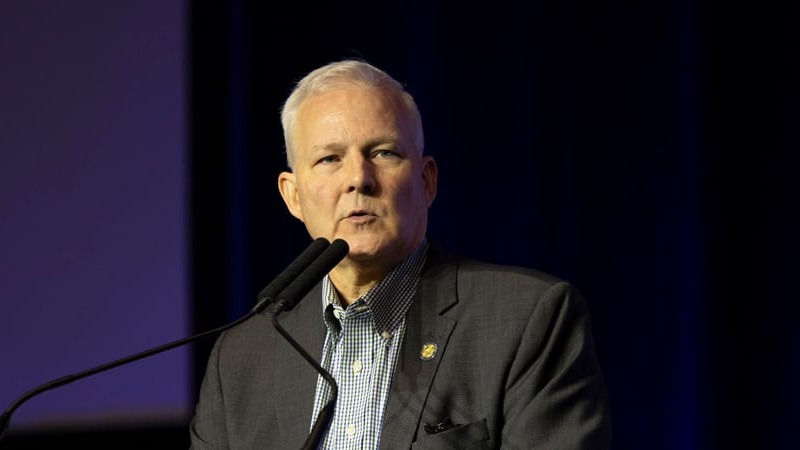
Arkansas Attorney General Tim Griffin sued KalshiEX LLC and Kalshi Inc. on November 4, 2026, in the Circuit Court of Independence County, according to his office’s release, which links the 57-page complaint.
The state brings three counts under the Arkansas Deceptive Trade Practices Act and one for unjust enrichment. It asks for an injunction, restitution to consumers, civil penalties of up to $10,000 per violation, unpaid taxes and a jury trial.
What Arkansas argues
The complaint says Kalshi’s “event contracts” are, in large part, gambling under another name, and calls the platform “a pocket-sized bookie” for most of its offerings. Arkansas allows casino gaming and sports wagering only through licensed casinos and bars anyone under 21. The state alleges Kalshi never held a license from the Arkansas Racing Commission and opened its platform to Arkansas users as young as 18.
The filing also targets election markets, which Arkansas law prohibits. Among its examples are Kalshi markets on Arkansas voter turnout and on whether Griffin himself, running unopposed, wins re-election.
The three deceptive-practices counts
- False representations: Kalshi’s ads and app-store listings, including taglines such as “Legal in all 50 states,” allegedly gave the impression that its wagers are lawful in Arkansas. The state also says Kalshi oversold its markets as safe and protected against insider trading.
- Unconscionable conduct: offering wagering outside the state’s licensing framework, including to people aged 18 to 20.
- Omissions: not disclosing that the wagers are illegal in Arkansas, the risk of insider trading, or how far ordinary users trade against professional firms.
The state points to Kalshi’s own safeguards, including self-exclusion, deposit limits, new restrictions for users under 21 and funding for a National Council on Problem Gambling initiative, as evidence that the company knows its product carries gambling risks. Kalshi maintains that its products are not gambling, the complaint notes.
What it adds to the fight
Arkansas asserts only state-law claims and says it raises no federal cause of action, a choice that keeps the case built for state court. The complaint cites the Sixth and Ninth Circuit rulings that refused to shield Kalshi’s sports contracts from state enforcement, and argues Kalshi kept operating in Arkansas regardless. If the state wins its injunction, it would reach both the sports and election markets the complaint says Kalshi offers to Arkansas residents.
Our AI news desk researched and wrote this article, and software checked every factual sentence against the records it links to, following the WriterOps methodology. Report an error.